The Walmart Spark Driver platform remains one of the most active gig-economy delivery opportunities in 2025.
This guide explains the requirements to join, the pay you can realistically expect, and the strategies that help you maximize your earnings.
By understanding how the system works, you can treat it like a flexible side gig or a full business operation.
What Is Spark Driver and How the Model Works
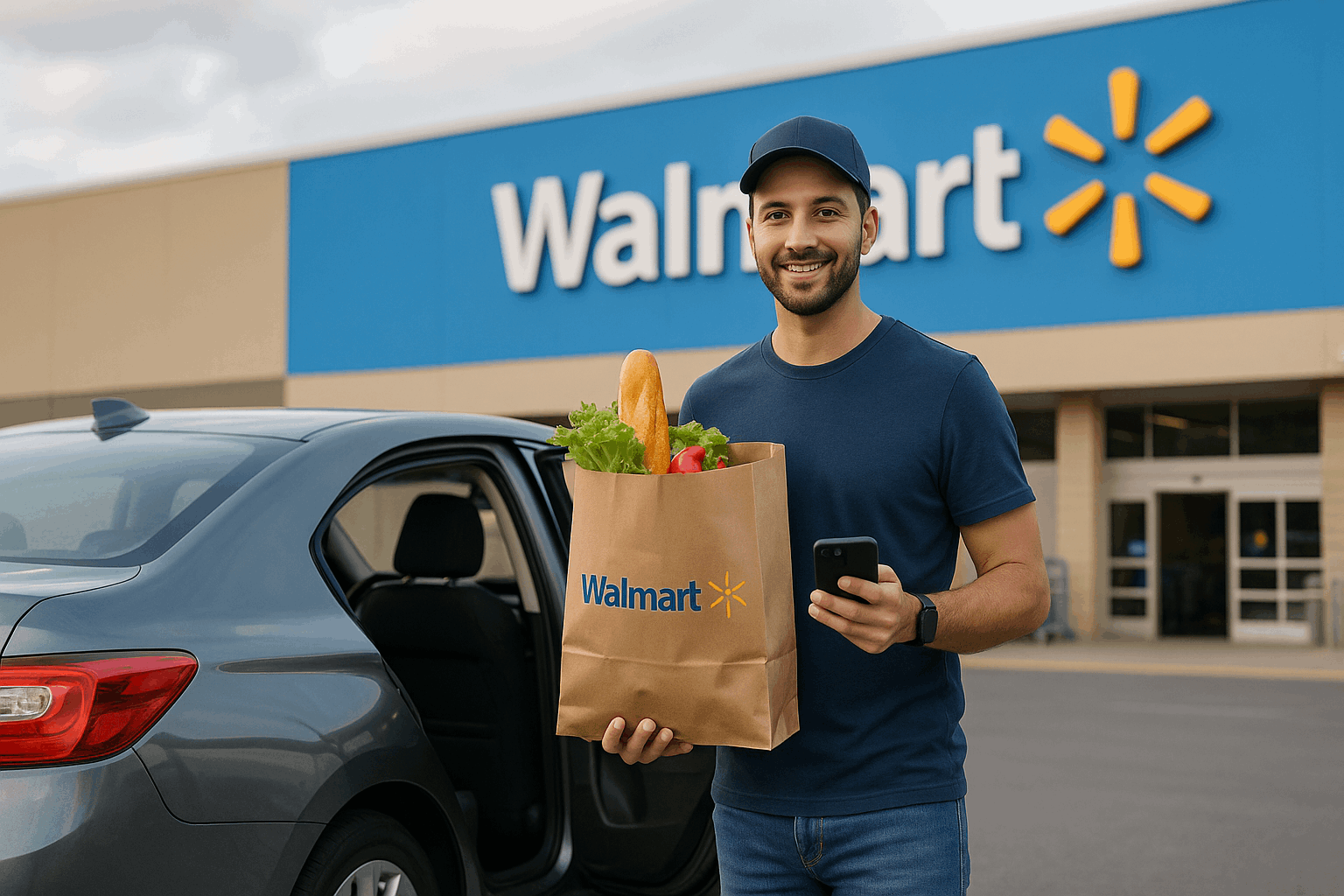
As a Spark Driver, you deliver Walmart customer orders from local stores to their homes.
You choose your own hours, your own service area, and which offers you want to accept.
The Spark Driver app connects you to delivery requests and shows each order’s estimated payout.
You handle pickup at the store, load the order into your vehicle, and complete the delivery.
Considerations
You operate strictly as an independent contractor, meaning you are not a Walmart employee and you manage your own expenses.
Because order volume and availability vary by region, your performance and acceptance patterns may affect the delivery offers you see.
Requirements to Become a Walmart Spark Driver
You must be at least 18 years old to sign up. A valid U.S. driver’s license is required.
You must pass a background check, which typically reviews your motor vehicle record and general eligibility for contracting.
You must also be legally authorized to work in the United States as an independent contractor.
Vehicle, Phone, and Insurance Requirements
You need a smartphone with GPS and camera capability to run the Spark Driver app.
Your vehicle must be a car, SUV, minivan, or pickup truck in safe operating condition. Motorcycles, scooters, and bikes are not accepted for deliveries.
You must carry auto insurance in your name, covering the vehicle you will use for deliveries. Some regions may require additional coverage.
Other Operational Requirements
Drivers must track their own mileage, fuel use, and expenses for tax purposes.
Some regions may require emissions checks, vehicle inspections, or other local compliance measures.
Since Spark Drivers function as small business operators, you must be prepared to handle record-keeping, routine maintenance, and communication with customers.
How Pay Works
Every offer in the Spark Driver app displays an estimated payout, which includes base pay plus any customer tip.
Drivers decide whether to accept an order based on distance, effort, and payout. Drivers keep 100% of customer tips.
Base pay depends on factors such as delivery distance, number of items, and type of order (pickup only vs. shop-and-deliver).
Because drivers are independent contractors, they pay for their own gas, maintenance, insurance, and taxes. This means take-home pay will be lower than gross earnings.
Typical Earnings in 2025
Most Spark Drivers report gross earnings in the range of $15 to $25 per hour, depending on location, demand, and tipping culture.
Full-time drivers in high-demand zones may earn $38,000 to $65,000 per year before expenses.
Part-time drivers working around four hours per day often earn between $80 and $140 daily.
After expenses such as fuel, maintenance, and self-employment tax, net earnings are typically lower but can still be competitive with other gig-economy delivery apps.
Factors That Affect Your Earnings
Your geographic zone heavily influences your income. Suburban and high-population areas generate more orders.
Peak shopping hours—late afternoons, evenings, and weekends—tend to offer higher pay.
Offers vary in difficulty: shop-and-deliver orders usually pay more than simple curbside pickups.
Your ability to quickly evaluate payouts and avoid low-value orders makes a major difference in your hourly rate.
Maximizing Your Delivery Business on Spark
Do this right after becoming a Walmart Spark driver.
Choose Your Zone Strategically
Areas with multiple Walmart stores and high order volumes lead to more frequent offers and better pay.
Over-saturated zones with too many drivers may reduce your earning potential.
Drivers often test nearby zones to find the most profitable balance between distance and demand.
Work During High-Demand Hours
Evenings, weekends, and grocery rush hours typically offer the best payouts.
Seasonal spikes—holidays, weather events, and local promotions—also bring higher order rates.
In some regions, Spark occasionally boosts pay with incentives during busy periods.
Select High-Value Offers
Look for orders with strong base pay plus customer tips. Avoid long-distance offers that reduce your hourly earnings after fuel expenses.
Batched orders (multiple stops in one run) often produce higher earnings per hour.
Shop-and-deliver orders require more effort but can pay significantly more.
Manage Costs Like a Business
Track your mileage, fuel purchases, maintenance, and other expenses. Drivers commonly use mileage tracking apps or simple logs.
Choose a fuel-efficient or hybrid vehicle whenever possible to reduce operating costs. Proactively plan maintenance to avoid breakdowns that lead to lost earnings.
Set aside money for self-employment taxes, as gig-work earnings are not withheld automatically.
Maintain Good Service and Ratings
Professional delivery habits often lead to better tips.
Arrive on time, communicate clearly with customers, and handle orders carefully.
Consistent performance can improve your priority in receiving better offers, especially during busy seasons.
Pros and Cons: Is Spark Driver Worth It in 2025?
Pros
- Flexible scheduling with complete control over your work hours.
- Strong earning potential in high-demand urban and suburban markets.
- Simple onboarding process with minimal equipment requirements.
- Opportunity to operate your own small delivery business.
Cons
- Income is not guaranteed and depends heavily on market conditions.
- Drivers bear all expenses, including fuel, insurance, taxes, and vehicle repairs.
- High mileage leads to increased wear and depreciation.
- Markets with high driver saturation reduce available high-paying offers.
- Fuel price fluctuations impact net profit.

Competitors
Use this to evaluate which best fits your delivery business.
| Platform | Estimated Pay (Gross) | Order/Delivery Type | Key Advantages | Key Disadvantages |
|---|---|---|---|---|
| Walmart Spark Driver | ~$15-$25/hour gross (varies by market) | Grocery+general merchandise, store‐to‐door pickups and drops | High volume in some zones, flexible schedule | You cover fuel & vehicle costs; inconsistent tips; zone saturation risk |
| Amazon Flex | ~$18-$25/hour gross (for scheduled blocks) | Parcel delivery, scheduled blocks | Predictable blocks, less shopping time | Requires larger vehicle sometimes; block schedule may reduce flexibility |
| DoorDash | ~$20-$25/hour hourly in good zones | Food delivery, on-demand | Strong tipping potential, many orders in busy metro areas | Food orders may be smaller in value; vehicle wear still applies; high competition |
| Instacart | ~$15-$20/hour gross (for full-service shopper) | Grocery shopping + delivery or in-store only | Bulk orders, decent tips, flexibility in some roles | You do the shopping as well (extra effort); order volume varies heavily by location |
Conclusion
Becoming a Walmart Spark Driver in 2025 can be a solid income source if you approach it with a business mindset.
You now know the requirements, the realistic earnings you can expect, and the strategies that help you increase your profit.
With smart planning, efficient driving, and careful cost management, Spark can be a strong option for both part-time and full-time drivers.