
The beauty industry demands both skill and precision. The Professional Makeup Artist Course teaches you every essential technique to transform passion into expertise.
You’ll gain practical experience, learn to handle various tools, and adapt looks for different clients.
This guide explains how the program builds your foundation for a successful makeup career.
Understanding the Makeup Industry
Makeup artistry has evolved into a global profession with opportunities in fashion, television, and beauty retail.
The growing demand for skilled artists creates stable career paths for both freelancers and full-time professionals.
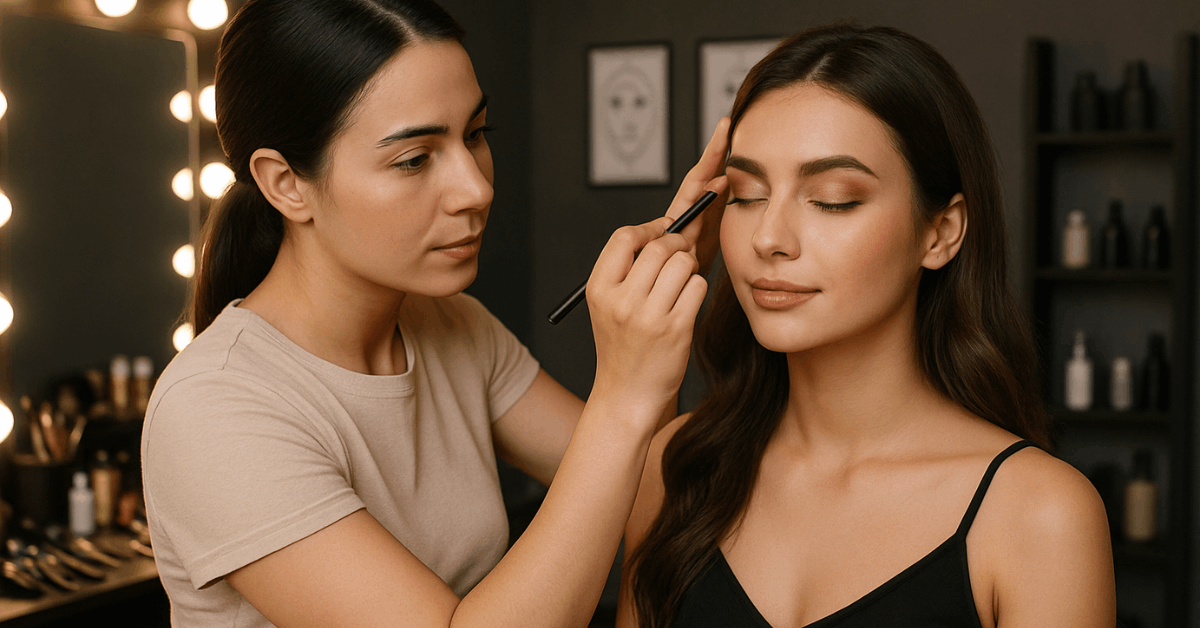
A professional course teaches how to meet client expectations, manage schedules, and stay competitive in a creative field.
What Is a Professional Makeup Artist Course?
A professional makeup artist course provides structured training on all aspects of cosmetic application.
It covers theory, practice, and business fundamentals needed to work independently or with agencies.
Courses vary in duration and mode—some are full-time, others online or hybrid—making them accessible to different schedules.
Core Subjects You’ll Learn
Understanding the main subjects of makeup artistry helps you build a strong foundation. Each area focuses on developing technical precision and creative balance.
Main Lessons Covered
Each topic helps you build precision, creativity, and confidence to deliver professional-quality results.
- Skin Preparation: Learn how to identify skin types and prepare the base through cleansing, toning, and moisturizing.
- Foundation and Color Theory: Study undertones, shade matching, and blending for a natural or full-coverage finish.
- Contouring and Highlighting: Master techniques to define facial features according to shape and lighting.
- Eye Makeup Styles: Practice eyeliner, lashes, and eyeshadow blending for various occasions.
- Lip Application: Understand lip shaping, color combinations, and balance in makeup proportion.
- Brow Design: Shape and style eyebrows for both natural and bold looks using precise methods.
Specialized Makeup Techniques
Advanced skills separate professionals from beginners. Specialized training helps you adapt to different industries and client needs.
Professional Categories
ChatGPT said:
This part of the Professional Makeup Artist Course focuses on advanced methods used in different fields of beauty and entertainment.
- Bridal Makeup: Focuses on long-lasting and camera-ready looks suited for ceremonies and events.
- Editorial and Fashion Makeup: Emphasizes creativity and trend-based experimentation for shoots and runways.
- Theater and Stage Makeup: Uses bold pigments and techniques that stay visible under strong lighting.
- Special Effects (SFX): Involves prosthetics, fake wounds, and transformation makeup used in film and media.
Tools and Products Every Artist Needs
Every makeup artist must learn how to manage and sanitize their tools. Proper handling improves precision, hygiene, and efficiency.
Essential Kit Components
Each tool plays a unique role in achieving a polished finish and professional presentation.
- Brushes and sponges for different product types.
- Palettes, mixing trays, and sanitizing sprays.
- Foundations, concealers, and primers in varied shades.
- Organizers and cases for transport and storage.
- Environmentally friendly or cruelty-free products for modern standards.
Building Technical Skills
Technical mastery ensures consistency in every session. You’ll train to manage different skin textures, tones, and lighting conditions.
This section of the course sharpens your blending, layering, and product-control techniques.
With repetition, you develop speed without compromising accuracy, allowing you to work efficiently in time-sensitive environments.
Hygiene and Sanitation Standards
Maintaining hygiene is non-negotiable for professionals. It protects both artist and client from infection or irritation.
Training includes the correct methods for sanitizing tools, using disposable applicators, and discarding expired products.
Adopting strict hygiene builds client trust and showcases professionalism in every job.
Learning Through Practice
Practice converts theoretical lessons into skill mastery. Real-world application is the key to confidence and technique refinement.
Instructors guide you through live demos, model sessions, and peer evaluations.
Regular practice and feedback allow you to identify mistakes early and correct them before working with clients.
Certification and Career Value
Certification confirms that you meet professional standards in makeup artistry. Employers and clients often prefer certified artists over self-taught ones.
Accredited courses provide certificates upon completion, adding credibility to your portfolio.
This document can open doors to collaborations, contracts, and partnerships in fashion and media.
Career Opportunities After Completion
Completing a makeup artist course creates multiple career paths. The industry offers flexible roles that fit various interests and lifestyles.
Popular Career Paths
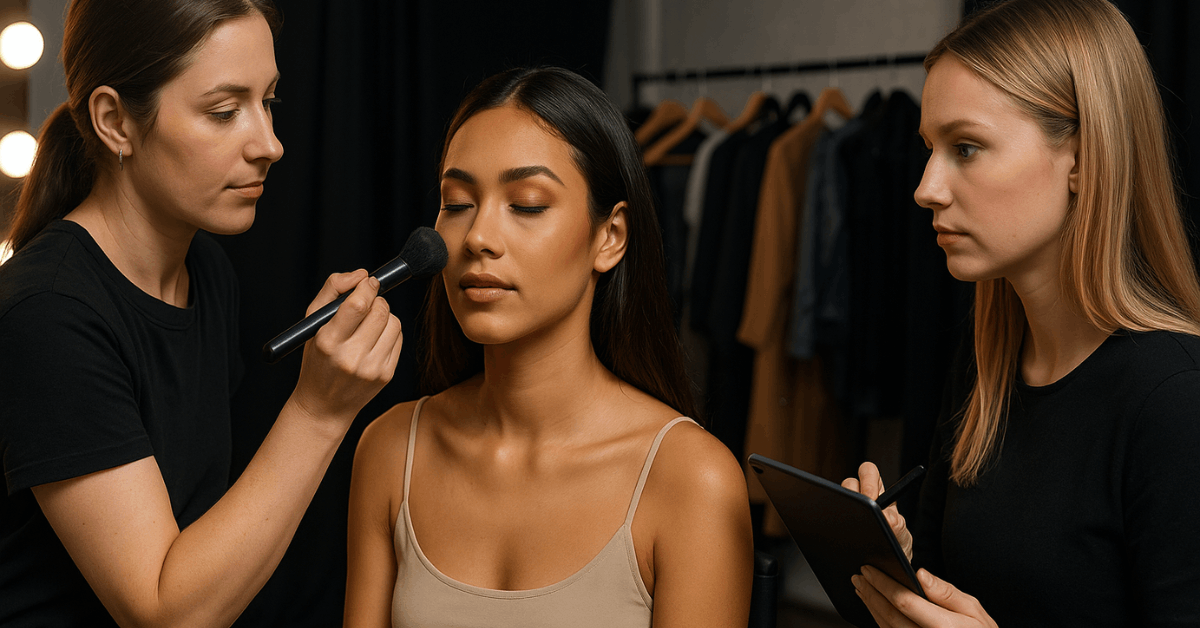
This section highlights the main career options available after completing the Professional Makeup Artist Course, helping you choose the path that matches your skills and goals.
- Freelance Makeup Artist: Offers independence and a diverse clientele.
- Bridal Makeup Specialist: Focuses on weddings and special events.
- Salon Professional: Works in beauty centers offering daily services.
- TV/Film Artist: Creates camera-ready appearances for production sets.
- Beauty Consultant: Represents brands and provides makeup recommendations.
How to Choose the Right Makeup School?
Selecting the right school impacts your future career success. You need a course that matches your goals, budget, and schedule.
Look for accredited programs with updated curricula and experienced instructors. Research alumni success stories, tuition fees, and job placement rates before enrolling.
Online vs. In-Person Learning
Choosing between online and in-person formats in a Professional Makeup Artist Course depends on your learning style and schedule.
Online classes offer flexibility and accessibility, allowing you to study at your own pace. In-person training provides hands-on practice and immediate instructor feedback.
Many institutions now combine both to deliver a complete and practical learning experience.
Essential Soft Skills for Makeup Artists
Soft skills are as valuable as technical expertise. They enhance client relationships and improve service quality.
You’ll learn communication, punctuality, and adaptability—traits that define true professionals. These habits help you earn client trust and maintain long-term collaborations.
Building Your Portfolio
A portfolio showcases your range and style. It acts as proof of your ability for clients and employers.
Collect high-quality before-and-after photos from class projects or volunteer sessions.
Organize them by style—natural, glam, or creative—and display them online through a website or social media.
Marketing Yourself as a Makeup Artist
Marketing turns skills into opportunities. Your personal brand must highlight professionalism and creativity.
Practical Promotion Tips
Effective promotion builds recognition and a steady client base.
- Create a social media presence with consistent visual themes.
- Collaborate with photographers, hairstylists, and models.
- Encourage satisfied clients to share testimonials.
- Offer trial or discounted sessions for exposure.
Continuous Learning and Trends
Makeup trends evolve constantly. A professional must stay updated through workshops, masterclasses, and brand training.
Following leading artists online and experimenting with new products keeps your techniques relevant.
Continuous learning helps you adapt to changing preferences and maintain a modern portfolio.
Common Mistakes Beginners Should Avoid
Every beginner faces challenges, but awareness prevents costly errors. These mistakes can slow your progress or harm your reputation.
Typical Errors
Avoiding these issues improves professionalism and client satisfaction.
- Ignoring client preferences or overusing heavy products.
- Failing to clean tools or replace expired items.
- Skipping proper skin preparation steps.
- Using mismatched shades or uneven blending.
Tools for Practice and Improvement
Improvement requires discipline and regular training. Makeup artistry demands patience and repetition.
Use mannequin heads or practice face charts to refine precision. Joining beauty contests or online challenges helps build exposure and confidence.
Expected Salary and Job Outlook
Makeup artistry offers income flexibility based on skill level and specialization. Certified professionals typically earn higher rates.
Freelancers may charge per session or by project, while full-time artists receive fixed salaries in salons or studios.
Over time, your reputation and referrals will determine long-term earning potential.
Conclusion – Turn Passion into Profession
A professional makeup artist course is your gateway to mastering beauty from every angle. It equips you with technical expertise, creativity, and confidence to work in any setting.
By investing in the right training and consistent practice, you can transform your passion into a rewarding career.
Start your journey today and become the artist who defines beauty through skill and precision.