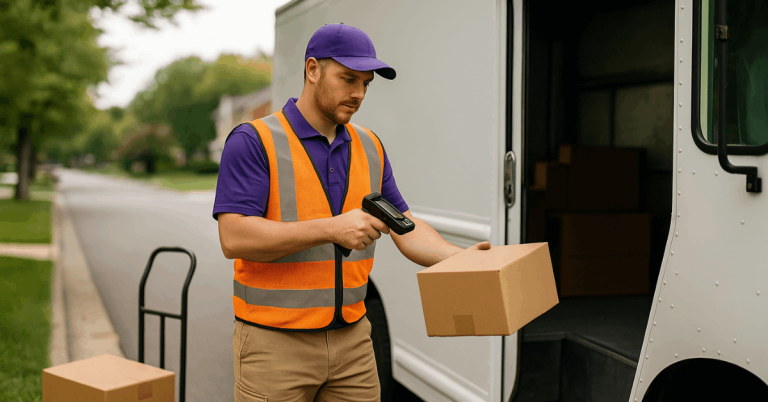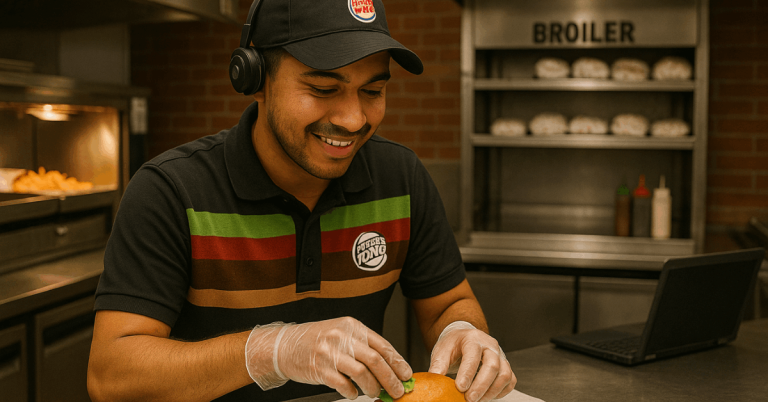
Food delivery jobs are expanding rapidly across European cities. The demand for flexible work and quick earnings has made this career path more appealing.
When exploring food delivery jobs in Europe, you’ll find a range of opportunities that suit both part-time and full-time workers. This guide explains everything you need to know about top companies, pay rates, and whether freelance or employee positions are best for you.
Understanding the European Food Delivery Market
Europe’s food delivery market continues to grow as customers rely more on convenience. This growth opens opportunities for riders, drivers, and couriers to earn consistent income.
The market includes major players like Deliveroo, Just Eat, and Bolt Food, each offering different work setups. Understanding how these roles differ will help you decide where to start.
Market Growth and Job Roles
The food delivery industry has changed rapidly with more cities supporting delivery services. Riders and drivers can work independently or as company employees.
Common roles include bicycle couriers, scooter riders, and car delivery drivers. Each position requires reliability, punctuality, and knowledge of the local area.

Why Demand Is Rising?
Consumer habits have shifted toward online food ordering. Apps simplify the process, connecting customers with restaurants faster.
European delivery companies invest heavily in logistics, making these jobs accessible in both large and small cities. The result is steady demand and regular income opportunities.
Top Companies Offering Food Delivery Jobs
Whether you want full-time employment or freelance flexibility, major companies have options for you. These top employers define how modern delivery work is structured across the continent.
Deliveroo
Deliveroo operates in several European countries and offers both freelance and contract positions. Riders can use their bikes or scooters and manage their own working hours.
On average, earnings range from €12 to €15 per hour, depending on delivery volume and location. The flexibility attracts many people who value freedom over fixed schedules.
Bolt Food
Bolt Food, part of Bolt’s transport network, is growing fast in countries like France, Spain, and Germany. The company offers riders simple onboarding, and drivers can earn between €10 and €14 hourly.
Bolt also includes incentives during peak hours, increasing total earnings. This setup benefits freelancers who prefer independent work.
Just Eat and Glovo
Just Eat and Glovo provide structured contracts with more stable pay. In countries like Spain and Italy, Glovo has shifted toward employee contracts following local labor laws.
Pay rates often start around €9 to €12 per hour, plus tips and bonuses. These platforms suit those who prefer consistency and job security.
Average Pay Rates Across Europe
Knowing how much you can earn helps you set realistic expectations. Pay varies by country, delivery platform, and whether you work as a freelancer or as an employee. In general, hourly pay rates across Europe are competitive with other entry-level jobs.
Typical Earnings by Country
Across Europe, food delivery drivers typically earn between €700 and €1,100 per month. In the UK, hourly rates range from £12 to £14, depending on the region. In
In Portugal and Spain, the average monthly pay is around €760 to €950. These figures can rise significantly during high-demand periods.
Factors Influencing Pay
Earnings depend on vehicle type, hours worked, and platform commission. Riders using electric scooters often save on fuel costs.
Those who work peak hours—like lunch and dinner—earn higher bonuses. Some companies also reward riders with extra pay for excellent customer ratings or consistent performance.
Estimating Your Monthly Income
To calculate potential earnings, multiply your average hourly rate by total weekly hours. Add estimated tips and surge bonuses to get your gross income.
Freelancers should subtract expenses like fuel and maintenance. Employees usually receive net pay with taxes already deducted.
Freelance Vs. Employee: Choosing What Fits You
Before applying, it’s important to decide how you want to work. The delivery sector in Europe offers both freelance and employee models. Each has advantages depending on your priorities, such as flexibility, income stability, or legal protection.
Freelance Delivery Roles
Freelancers work as independent contractors with full control over their schedule. You can accept jobs when you want and reject those that don’t fit your plan.
You’re responsible for your taxes, insurance, and equipment costs. While income varies, freelancers often earn more during busy hours due to performance-based pay.
Employee Delivery Positions
Employees sign contracts that guarantee stable hours and regular pay. Many companies provide uniforms, insurance, and paid time off.
You may earn slightly less per hour compared to freelancers, but the benefits balance the difference. This model suits people who want a steady income and job security.
Legal and Tax Differences
Freelancers must register as self-employed and handle their own tax declarations. Employees, on the other hand, have taxes automatically deducted.
Some countries—like Spain—have enforced stricter rules requiring riders to become employees for protection. Always review your local regulations before starting.

Getting Started with Food Delivery Jobs
If you’re ready to begin, the process is simple and fast. Most delivery companies offer online applications and flexible onboarding. You’ll need basic requirements to qualify for either role type.
Main Requirements
To work as a delivery driver or rider, you’ll need a valid ID, smartphone, and vehicle suited for your city. For motor vehicles, ensure your driver’s license and insurance are up to date.
Companies may ask for background checks or proof of address. Once verified, you can start earning immediately.
How to Apply?
Most applications take less than 15 minutes. Create an account on the platform’s website or app, upload your documents, and select your preferred work area.
After approval, you’ll receive instructions for orientation or app setup. Many freelancers can start working within 24 to 48 hours.
Tips for Maximizing Your Earnings
Success in food delivery depends on planning and consistency. Choose high-demand areas during lunch and dinner hours.
Maintain a high delivery rating for bonus eligibility. Track your expenses and time to understand your net profit each week.
Benefits of Working in Food Delivery
Working in food delivery provides benefits beyond earnings. It’s ideal for those seeking independence or supplemental income. You also gain valuable experience in logistics, customer service, and urban navigation.
- Flexible Schedule: You decide when to work, making it suitable for students or part-timers.
- Low Entry Barrier: You don’t need advanced qualifications—just basic equipment and reliability.
- Physical Activity: The job keeps you active while exploring your city.
- Extra Income Opportunities: Tips, surge rates, and performance bonuses increase total pay.
- Skill Development: You build communication, time management, and navigation skills useful for other careers.
Key Differences in Work Style and Stability
Some people prefer freelancing for freedom, while others value the stability of employment. Choosing between these models depends on your personal goals. Understanding both helps you decide which fits your lifestyle better.
Freelance Freedom
You can manage your own schedule, work in multiple cities, and earn based on effort.
It’s ideal if you value autonomy and adaptability. However, a lack of benefits and variable income can be challenging during slow weeks.
Employee Stability
As an employee, you’ll receive consistent pay, insurance, and safety coverage.
The structured routine allows for long-term financial planning. It’s suitable if you want predictability and reduced financial risk.
Final Take: Is Food Delivery a Good Career Choice?
Food delivery jobs offer a realistic way to earn in today’s flexible economy. For many, it’s a gateway to independence or a source of additional income.
If you’re considering food delivery jobs in Europe, weigh your priorities—flexibility or security—before applying. With discipline and planning, you can turn this opportunity into a steady and rewarding profession.