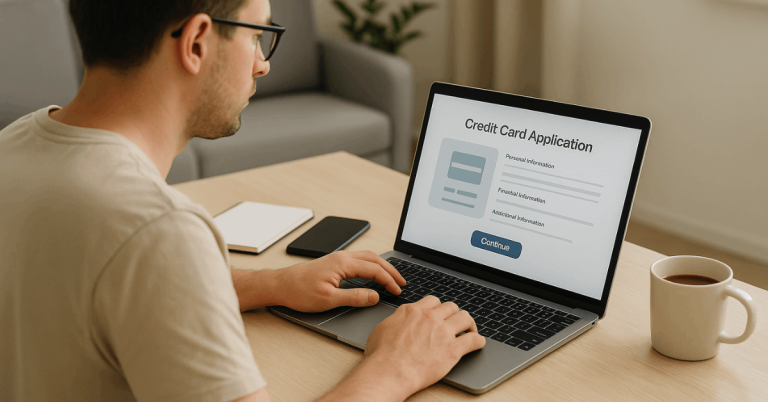
Food delivery jobs continue to be a strong source of income for many Americans in 2025.
The sector has grown rapidly with more people relying on on-demand meals from restaurants and grocery chains.
This guide explains the top-paying apps, driver requirements, and ways to earn more this year. By the end, you’ll know how to start, what to expect, and which platform fits you best.
The Current Landscape of Food Delivery Jobs in 2025
The U.S. delivery market remains one of the fastest-growing parts of the gig economy.
More restaurants partner with apps to reach customers faster, increasing driver demand. If you’re planning to enter, it helps to understand current trends and pay structures.
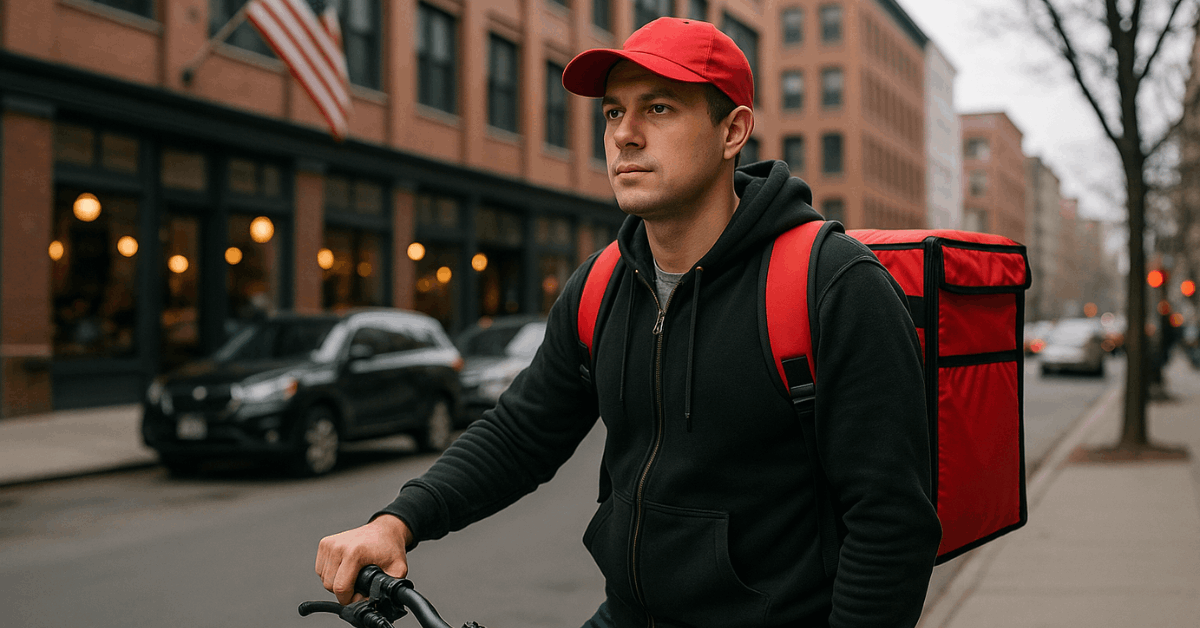
Industry Growth and Market Demand
Food delivery usage surged after 2020 and continues to expand. Platforms like DoorDash, Uber Eats, and Grubhub dominate urban areas, while smaller regional apps serve suburbs.
The U.S. Bureau of Labor Statistics projects steady growth in courier and delivery jobs through 2025. That means reliable opportunities for part-time and full-time drivers across states.
Job Type and Worker Status
Most delivery drivers work as independent contractors instead of traditional employees. This setup offers flexible scheduling but requires you to manage taxes and expenses.
You decide when and where to deliver, giving control over your time. However, you also handle insurance, maintenance, and fuel costs on your own.
Average Pay in 2025
Pay varies by city and platform, but national averages remain strong. Data from ZipRecruiter lists about $18.45 per hour, or roughly $38,000 per year, for food-delivery drivers.
Experienced or full-time workers in dense areas can earn higher. Bonuses, tips, and surge pricing often push income above the base rate.
Key Factors That Affect Earnings
Several elements influence how much you make per delivery.
- Location – Urban areas with heavy traffic have more orders and higher tips.
- Schedule – Peak hours like lunch and dinner raise income.
- Vehicle Type – Cars deliver faster but cost more to maintain; bikes are cheaper.
- Customer Tips – Friendly service and prompt delivery increase gratuities.
Top-Paying Food Delivery Apps in the USA 2025
Choosing the right platform makes a big difference in your earnings. Each app offers unique pay structures, incentives, and eligibility rules. Below are the major players and what to expect from each.
DoorDash
DoorDash remains the largest U.S. food-delivery network. It’s popular for its consistent demand and wide coverage.
Drivers earn per-delivery pay plus tips, and some cities offer bonus programs. Basic requirements include being at least 18 years old, owning a vehicle or bike, and passing a background check.
Uber Eats
Uber Eats integrates with Uber’s rideshare system, letting drivers switch between food and passenger deliveries. It operates in thousands of U.S. cities with flexible schedules.
Earnings depend on base fare, distance, and time. Tips are 100% yours, and surge pricing boosts rates during peak demand.
Grubhub
Grubhub remains competitive with decent pay and reliable customer traffic. Drivers can use cars, bikes, or scooters depending on the city.
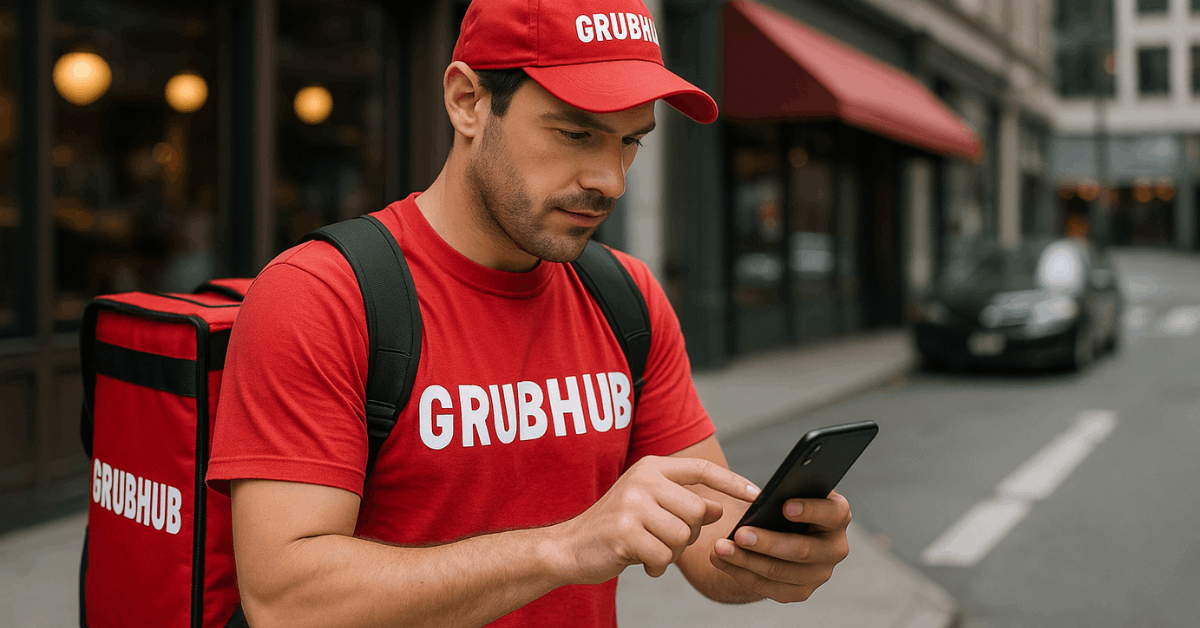
The app provides scheduled blocks to guarantee order flow. Grubhub’s interface also displays transparent pay before you accept a delivery.
Instacart and Amazon Flex
Beyond restaurant food, grocery and parcel delivery apps also pay well. Instacart focuses on groceries, often averaging $20 to $25 per hour with tips.
Amazon Flex offers blocks that pay $18 to $25 per hour depending on route length. These alternatives suit workers who prefer less restaurant interaction.
Summary of Top Apps
Here’s a quick breakdown of popular platforms and general pay potential:
- DoorDash – $17–$25 per hour + tips
- Uber Eats – $15–$25 per hour + surge bonuses
- Grubhub – $14–$22 per hour + tips
- Instacart – $20–$25 per hour + grocery tips
- Amazon Flex – $18–$25 per hour flat pay
Requirements to Get Started
You must meet basic eligibility and safety requirements before starting. These differ slightly by platform and location but follow similar rules nationwide.
Basic Eligibility Criteria
Applicants must be 18 or older and hold a valid U.S. driver’s license. A clean driving record and a smartphone are essential.
Most apps conduct a criminal background check before approval. If you plan to deliver by bicycle, some cities lower the minimum age to 18 without license requirements.
Vehicle and Equipment Rules
You can use a car, scooter, or bicycle depending on your city’s setup. Vehicles must have current registration and insurance.
Reliable smartphones with data plans are required for app navigation and customer communication. Using insulated delivery bags is recommended for food quality and better tips.
Taxes and Legal Responsibilities
As an independent contractor, you manage your own income tax and self-employment tax. Tracking expenses for fuel, maintenance, and mileage helps reduce taxable income.
Using simple accounting apps can keep records organized. Failing to plan taxes may reduce your annual earnings unexpectedly.
Safety Standards and Local Regulations
Some U.S. cities require additional permits or delivery IDs. Following traffic laws, parking rules, and food-handling standards is part of compliance.
Personal safety also matters—avoid unsafe zones and follow GPS routes carefully. Carrying minimal cash and staying alert at night is standard advice.
Pay, Benefits, and Realistic Earnings
You should understand the pay model and net income before starting. The delivery business is profitable if you plan expenses well and know what benefits exist.
Hourly and Annual Pay Ranges
National averages hover around $18–$25 per hour, including tips. Part-timers earn less, while top earners working peak hours may exceed $1,000 per week.
Annual pay usually ranges from $30,000 to $55,00,0, depending on commitment. Busy metropolitan areas offer higher earnings due to order volume.
Available Incentives and Benefits
While traditional benefits like healthcare are uncommon, some apps offer driver rewards.
- Peak-time bonuses
- Guaranteed minimum pay during promotions
- Referral bonuses for bringing new drivers
- Occasional fuel or maintenance discounts through partners
Net Income After Expenses
Your gross pay decreases once you deduct costs. Fuel, insurance, maintenance, and self-employment taxes reduce take-home earnings by 15–25%.
Using fuel-efficient vehicles or bikes increases profit margins. Planning deliveries efficiently also minimizes wasted mileage.
Tips and Customer Ratings
Tips make up a large portion of the income for delivery workers. Maintaining a high rating through on-time and polite service often improves tipping frequency.
Small gestures like message updates and food care go a long way. Many experienced drivers report tips adding 20–40% to total pay.
Choosing the Right App and Strategy
Selecting the right delivery app depends on your goals, vehicle, and city. Each has unique strengths that suit different drivers.
Evaluating Your City’s Demand
Start by checking which platforms operate actively in your area. Apps like DoorDash or Uber Eats dominate major cities, while smaller apps may lead to suburban demand.
Observing local order density helps you pick where to register first. More demand means less downtime between deliveries.
Balancing Vehicle Costs and Earnings
Cars handle more deliveries but cost more to run. Bikes and scooters save on gas and parking fees, ideal for dense zones.
Calculate your cost per mile to find your most efficient option. Keeping your vehicle in good condition avoids unexpected repair expenses.
Managing Your Schedule Effectively
Flexibility is one of the biggest advantages of delivery jobs. You can work part-time around other commitments or go full-time for a steady income.
Focus on lunch (11 a.m.–2 p.m.) and dinner (5 p.m.–9 p.m.) for the best pay. These hours generate the highest order rates and larger tips.
Working with Multiple Apps
Many drivers use two or more apps to keep busy. For example, Uber Eats and DoorDash together reduce idle time between orders.
Tracking earnings per app helps identify your top performer. Always follow each app’s terms to avoid policy conflicts.
Tips for Maximising Your Earnings and Staying Safe
Once approved, use proven techniques to raise income and protect yourself. These small actions compound into better results over time.
Focus on High-Demand Zones
Busy downtown areas, malls, and office clusters bring more orders. Staying near multiple restaurants reduces travel time.
Shorter trips mean better hourly pay. Study app heatmaps to identify profitable zones.
Accept Orders Strategically
Decline low-paying or far deliveries that waste gas. Prioritise trips with higher base pay or strong tip history.
Efficient route planning boosts productivity. Quality matters more than quantity when measuring profits.
Maintain Excellent Service
Positive customer feedback increases your order frequency. Keep food safe, deliver promptly, and communicate delays politely.
Small improvements like using hot bags and confirming details can raise ratings. High scores sometimes unlock early-access scheduling privileges.
Protect Yourself and Your Equipment
Stay alert while driving or biking, especially at night. Keep valuables hidden and use GPS tracking if possible.
Maintain proper lighting, reflective gear, and emergency contacts. Following basic safety practices ensures your long-term success.
Conclusion – Start Delivering Smart in 2025
Food delivery jobs in the USA remain one of the most accessible earning options this year.
With flexible hours and strong app demand, anyone meeting the requirements can start quickly.
Focus on using the top-paying apps, managing costs, and maximising your schedule. When done strategically, this gig can offer stable income and independence throughout 2025.