
Learning to create professional websites fast helps you build a complete online presence without delays.
Combining design and development allows you to control both appearance and functionality. You can produce efficient, responsive sites that perform well across all devices.
This guide explains every stage from basic tools to advanced frameworks so you can grow from beginner to expert.

Understanding Modern Web Design and Development
Building a website means mastering both creative and technical sides. Web design shapes how users see and navigate your site, while development makes it function smoothly.
Key Differences Between Design and Development
Design focuses on visuals, user flow, and overall experience. Development handles structure, database integration, and interactivity.
A good website requires balance between both disciplines. Knowing each role allows you to work faster and avoid common mistakes.
Why Speed Matters in Today’s Market?
Fast website creation is crucial for clients and businesses that need immediate visibility. Using templates and frameworks saves time without compromising quality.
Mastering efficient workflows helps you handle multiple projects with ease. It also improves your reputation for delivering results quickly.
Essential Tools You’ll Use
Having the right tools ensures productivity and quality. Designers and developers rely on specific programs to visualize ideas and bring them to life.
Design Tools for Beginners
Visual tools help you plan layouts before coding. Programs like Figma, Adobe XD, and Canva make it easy to design professional prototypes.
Use color palette generators to keep consistency. Explore typography libraries to refine text appearance.
Development Tools and Platforms
Efficient coding environments simplify your work. Editors like VS Code and Sublime Text allow easy debugging and project organization.
Hosting platforms such as Netlify or Vercel publish sites instantly. Version control through GitHub helps track progress and collaborate.
Learning the Core Languages
Every website is built on three essential languages: HTML, CSS, and JavaScript. Mastering these ensures you can build and customize websites independently.
HTML – The Structure
HTML defines your site’s layout and organizes elements like headings, paragraphs, and images.
Learning semantic tags improves accessibility. Proper structure ensures search engines read your content accurately.
CSS – The Style
CSS controls colors, fonts, and spacing. Using classes and IDs gives precise styling options.
Combining CSS with Flexbox or Grid helps you align elements quickly. Always keep your stylesheets organized and readable.
JavaScript – The Interaction
JavaScript makes your website dynamic. You can create sliders, pop-ups, and live data updates.
It connects users with real-time feedback and improves engagement. Understanding JS logic prepares you for frameworks later.
Responsive Design Basics
Mobile traffic dominates web usage. Learning responsive design ensures your website adapts to all screen sizes.
Use media queries and flexible grids for smooth layouts. Responsive websites retain visitors longer and increase conversions.
Frameworks and Libraries for Faster Development
Frameworks let you code less and achieve more. They contain pre-written components that handle common features efficiently.
Front-End Frameworks
Popular frameworks like React, Vue, and Angular speed up front-end creation. CSS frameworks like Bootstrap and Tailwind simplify responsive design.
These tools reduce repetition and keep designs consistent. They also help teams maintain cleaner codebases.
Back-End Frameworks
For server-side logic, frameworks such as Node.js, Laravel, and Django streamline development. They include built-in routing, security, and authentication systems.
This makes back-end coding faster and more reliable. Combining them with APIs ensures scalability.
Building Your First Professional Website
Creating your first site helps you apply everything you’ve learned. Start small, focusing on structure, design, and functionality.
Planning and Wireframing
Before coding, plan your website’s structure. Define its purpose and map out navigation.
Sketch layouts using tools like Figma or simple paper drafts. Planning prevents unnecessary revisions later.
Writing Clean and Organized Code
Keep your project structured and readable. Use consistent naming conventions and folder hierarchies.
Comment your code for easy maintenance. Organized work speeds up debugging and collaboration.
Testing and Debugging
Testing ensures your website performs correctly. Use browser developer tools to identify layout or script issues.
Validate your HTML and CSS with online tools. Fixing problems early avoids major setbacks during deployment.
Optimizing Website Performance
Performance optimization is vital for user retention and search engine ranking. Fast websites create better first impressions.
Image and File Optimization
Large files slow down loading times. Compress images and use modern formats like WebP.
Minify CSS and JavaScript to reduce file size. Efficient file management enhances both speed and experience.
Caching and Lazy Loading
Caching stores temporary files for quicker reloads. Lazy loading delays non-essential content until users scroll to it. Both methods minimize data usage and enhance loading performance.
SEO Basics for Developers
A well-optimized site improves visibility on search engines. Use descriptive meta tags and clean URLs. Write meaningful titles and maintain logical hierarchy in your HTML.
Building for Different Devices
Cross-device compatibility ensures accessibility for all users. Responsive design should be a top priority for professionals.
Mobile Optimization Techniques
Mobile optimization enhances usability. Use flexible images and text that adjust automatically.
Test your layouts using browser simulation tools. Consistent testing guarantees smooth mobile performance.
Accessibility Standards
Accessible websites reach wider audiences. Add alt text for images, maintain readable contrast, and enable keyboard navigation. Following accessibility guidelines benefits all users equally.
Using CMS Platforms to Build Faster
CMS platforms reduce development time by simplifying content updates. They are ideal for beginners who want quick professional results.
Popular CMS Options
WordPress, Wix, and Squarespace are top choices. They offer drag-and-drop features and ready-made templates. CMS systems eliminate complex coding and allow fast deployment.
Customizing Templates Professionally
Templates give a strong starting point. Adjust colors, fonts, and sections to match your client’s brand.
Add plugins or widgets for additional functionality. Customization transforms simple templates into unique websites.
Learning Hosting, Domains, and Deployment
Launching your site involves setting up hosting and registering a domain. These make your project publicly accessible.
Registering a Domain Name
A domain represents your online identity. Choose a short, memorable name relevant to your brand. Register it with trusted providers to avoid future issues.
Choosing a Reliable Web Host
Compare hosting options based on speed and support. Shared hosting suits small projects, while VPS and cloud hosting handle larger ones. Select one that meets your traffic expectations.
Uploading Your Website
After testing, deploy your site using FTP or Git-based methods. Hosting services like Netlify automate deployments. Regular updates keep your site secure and optimized.
Expanding to Freelance and Career Opportunities
Once skilled, you can turn web development into a career. Freelancing offers flexibility and diverse income sources.
Building a Professional Portfolio
Showcase your best work online. Include screenshots, live project links, and detailed descriptions.
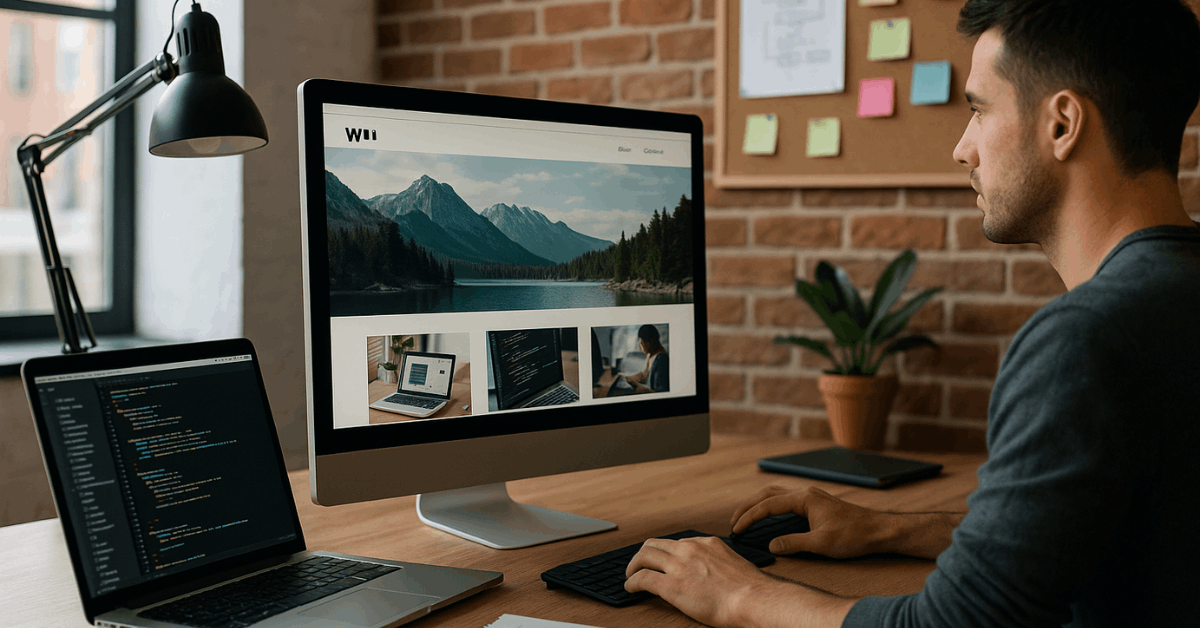
A clear portfolio proves your skills to potential clients. Update it regularly as you gain experience.
Finding Freelance Work Online
Freelance platforms like Upwork, Fiverr, and LinkedIn connect you with clients. Focus on clear proposals and strong client communication. Delivering projects on time builds trust and long-term relationships.
Work-Life Balance and Career Growth
Balancing multiple projects requires time management. Plan your schedule and set clear work boundaries.
Keep learning through online tutorials or certifications. Consistent growth ensures long-term success in this field.
Common Mistakes Beginners Should Avoid
New developers often make avoidable errors that delay progress. Recognizing them early saves effort and improves workflow.
Overloading with Too Many Tools
Learning too many programs at once can confuse you. Focus first on core languages and expand gradually. Mastering fundamentals strengthens your foundation.
Ignoring Mobile Users
Mobile responsiveness is non-negotiable. Neglecting it causes user frustration and traffic loss. Always test designs on different devices.
Neglecting Performance Optimization
Unoptimized websites load slowly and rank poorly. Always compress images, remove unnecessary plugins, and test speed. Optimization should be a standard part of your workflow.
Continuous Learning and Improvement
Web technology evolves rapidly. Continuous learning keeps you competitive and creative.
Following Online Resources
Join developer communities to stay updated. Explore YouTube, Udemy, and Coursera courses regularly. Participate in coding challenges to improve your logic.
Practicing With Real Projects
Apply what you learn by building practice websites. Real-world projects enhance problem-solving and confidence. Each completed site improves your technical and design judgment.
Conclusion – From Zero to Hero
Becoming a professional web designer and developer takes commitment and consistency.
Start by learning the basics, then apply them to real projects. Keep improving your skills and exploring new tools. Begin your journey today and create websites that stand out and perform flawlessly.