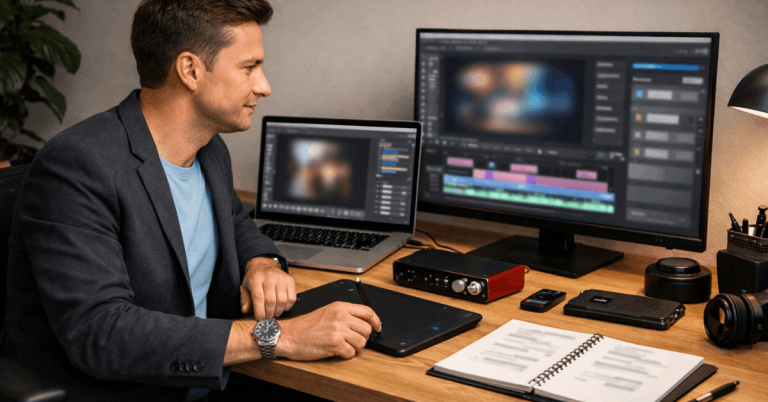
Biometric data analysis allows you to measure how your body responds to stress, sleep, and physical strain.
Software for rest and recovery converts physiological signals into structured insights that guide your recovery decisions.
When you understand how these systems work, you can improve performance, reduce fatigue, and protect your long-term health.
What Is Biometric Data Analysis?
Biometric data analysis is the process of collecting and interpreting measurable signals from your body.
These signals include heart rate, sleep patterns, respiratory rate, and other physiological indicators.
Software systems organize this data into clear insights that help you understand your rest, stress, and recovery levels.
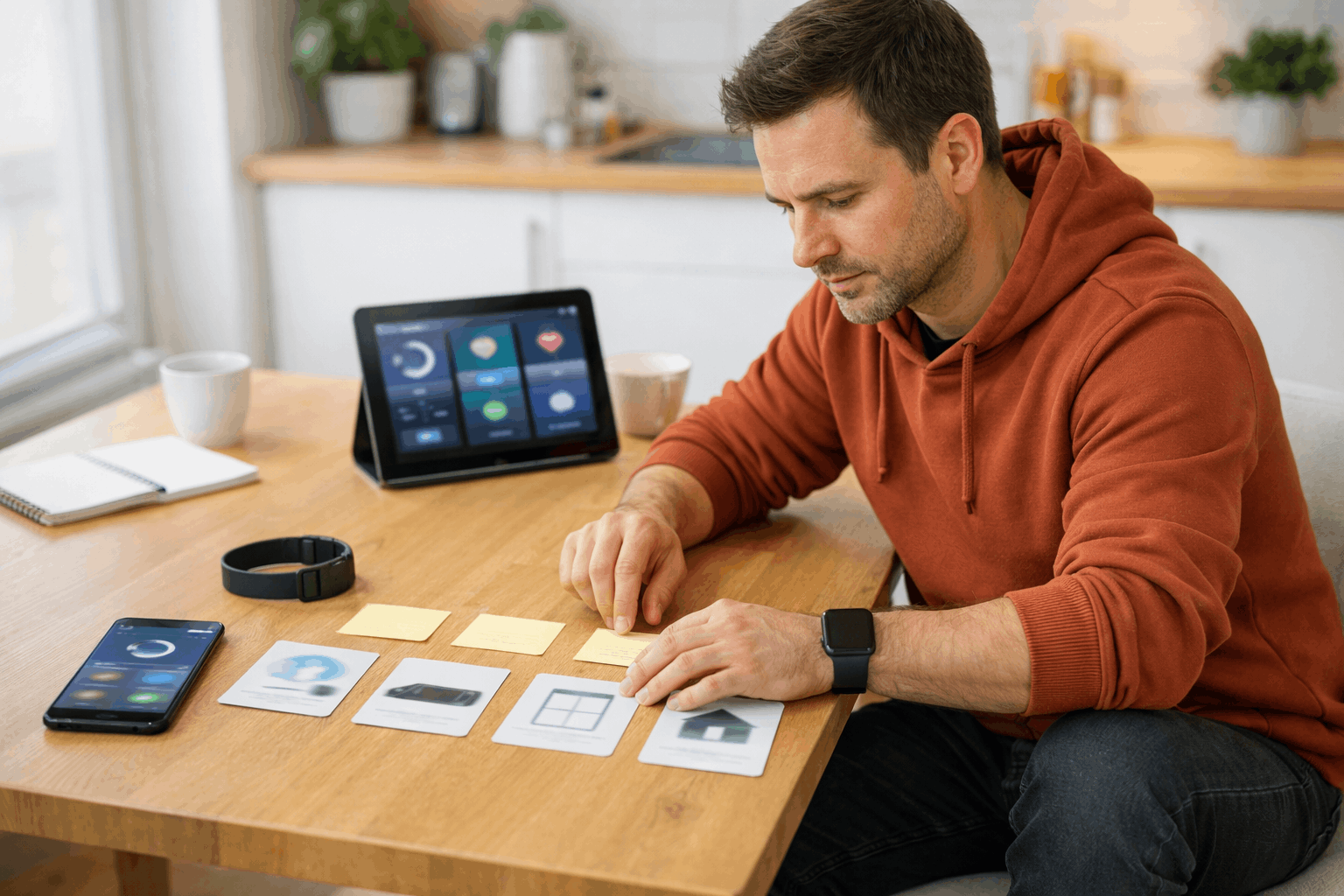
Why Rest and Recovery Need Data
Rest and recovery directly affect your physical performance and mental clarity.
Relying solely on how you feel is unreliable, as fatigue can build without clear signs. Data gives you objective control over recovery decisions.
- Fatigue Is Not Always Visible – Your body can carry hidden stress even when you feel fine. Biometric data detects strain early.
- Sleep Quality Changes – You may think you slept well, but data can show poor sleep stages. This helps you adjust your routine.
- Stress Slows Recovery – Low HRV or high heart rate can signal overload. Tracking prevents delayed recovery.
- Workload Needs Balance – Without data, you may overtrain or overwork. Metrics help you match effort with rest.
- Consistency Drives Results – Irregular recovery reduces progress. Data helps you spot patterns and improve steadily.
Core Biometric Metrics Used in Recovery Software
Core biometric metrics form the foundation of recovery analysis. These measurable signals show how your body responds to stress, sleep, and workload.
When tracked consistently, they give you objective insight into your recovery status.
- Heart Rate Variability (HRV) – Measures variation between heartbeats. Lower values suggest stress or fatigue, while higher values indicate stronger recovery.
- Resting Heart Rate (RHR) – Tracks your baseline heart rate at rest. An elevated baseline can signal strain or incomplete recovery.
- Sleep Stages (Light, Deep, REM) – Monitors how long you spend in each sleep phase. Deep and REM sleep are critical for physical and cognitive restoration.
- Respiratory Rate – Measures breaths per minute during rest or sleep. Irregular changes may indicate stress or physiological strain.
- Blood Oxygen Saturation (SpO2) – Tracks oxygen levels in your blood. Drops during sleep may affect the quality of recovery.
- Skin Temperature Trends – Monitors nightly temperature changes. Deviations can reflect stress, illness, or hormonal shifts.
Types of Software for Biometric Recovery Analysis
Recovery software comes in different levels of complexity and purpose. Some tools focus on daily tracking, while others provide advanced predictive analysis.
Choosing the right type depends on your recovery goals and data needs.
- Wearable-Integrated Mobile Apps – Connect to smartwatches or fitness bands. They provide daily recovery scores and trend tracking.
- Cloud-Based Analytics Platforms – Store long-term biometric data online. They offer deeper reports and multi-metric comparisons.
- Enterprise Monitoring Systems – Used by teams, clinics, or organizations. They track recovery across multiple users.
- AI-Driven Predictive Tools – Use machine learning to forecast fatigue and strain. They adapt recommendations based on your patterns.
- Hybrid Health Dashboards – Combine biometric data with manual inputs. They integrate sleep, mood, workload, and lifestyle factors.
How the Data Is Collected
Accurate recovery analysis depends on consistent and reliable data collection.
Software gathers information from multiple sources to build a comprehensive physiological profile.
The quality of insights depends on how and when the data is captured.
- Wearable Devices – Smartwatches and fitness bands continuously track heart rate, HRV, sleep stages, and movement.
- Chest Straps and Advanced Sensors – Provide more precise cardiovascular data, especially during training or controlled monitoring.
- Smartphone Sensors – Use motion, light, and microphone inputs to estimate sleep patterns and environmental conditions.
- Manual Self-Reports – Allow you to log mood, stress levels, soreness, and perceived fatigue.
- Environmental Sensors – Measure room temperature, noise levels, and light exposure that may affect sleep quality.
How Recovery Scores Are Calculated
Recovery scores summarize multiple biometric signals into one clear indicator. Software uses structured formulas to objectively interpret your physiological data.
The score reflects how prepared your body is for physical or mental effort.
- Baseline Establishment – The system first identifies your normal ranges using historical data.
- Data Normalization – Metrics are adjusted to ensure fair comparison across different days.
- Weighted Scoring Models – Each metric, such as HRV or sleep quality, is assigned a specific importance level.
- Trend Analysis – The system compares current data with past patterns to detect deviations.
- Adaptive Algorithms – The model updates over time as more personal data is collected.
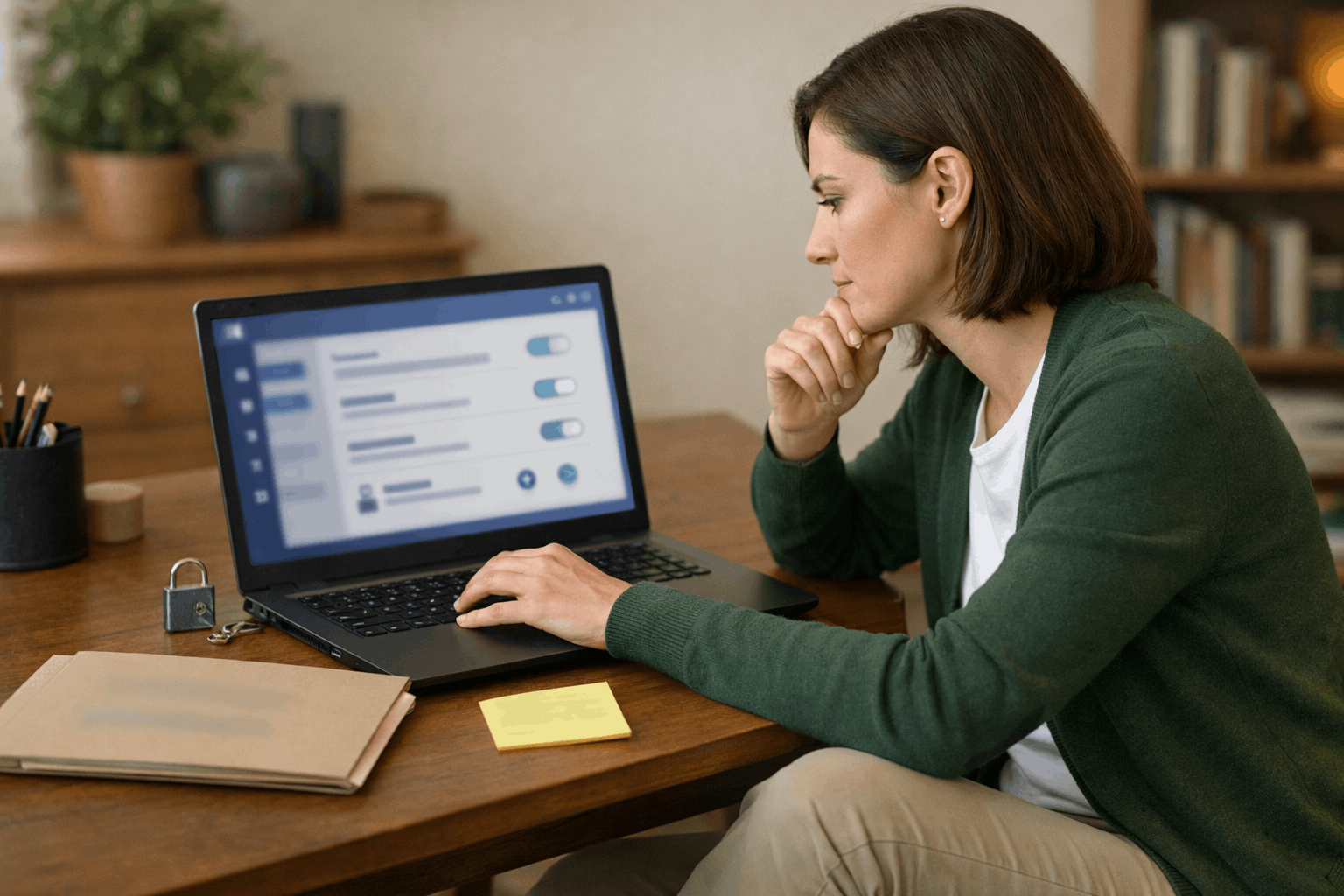
Benefits of Using Recovery Software
Recovery software helps you make informed decisions about rest, workload, and performance.
Instead of guessing, you rely on measurable signals from your body. This improves consistency and long-term results.
- Improved Sleep Planning – You see how sleep stages affect recovery. This helps you adjust bedtime, duration, and habits.
- Reduced Risk of Overtraining – Recovery scores warn you when strain is high. You can lower intensity before fatigue turns into injury.
- Better Energy Management – Daily metrics show when your body is ready for effort. You plan demanding tasks around high-readiness periods.
- Objective Progress Tracking – Long-term data shows patterns in stress and recovery. This supports steady improvement.
- Faster Recovery Decisions – Clear scores simplify choices about rest days or training load. You respond based on data, not assumptions.
Limitations and Risks
Recovery software provides structured insights, but it is not flawless. Data interpretation depends on device accuracy and algorithm design.
You must understand the limits before relying fully on the numbers.
- Sensor Inaccuracy – Wearables can misread movement or heart signals. Small errors may affect recovery scores.
- Algorithm Bias – Scoring models may not fit every body type or lifestyle. This can lead to misleading recommendations.
- Overreliance on Metrics – Constant tracking may reduce your ability to trust physical intuition. Numbers should support judgment, not replace it.
- Data Privacy Risks – Biometric data is sensitive and personal. Weak security practices can expose private information.
- False Alerts – Temporary fluctuations can trigger warnings. Not every signal indicates a serious issue.
Privacy and Data Security Considerations
Biometric recovery software handles sensitive data, so you must know how it is stored, shared, and protected.
Strong privacy controls reduce long-term risk.
- Data Storage Policies – Platforms may store data locally or in the cloud. You should review how long your information is retained.
- User Consent Controls – Some systems allow you to manage permissions. Clear consent settings give you better control over access.
- Third-Party Sharing – Certain apps may share anonymized or aggregated data. You should verify who receives your information.
- Encryption Standards – Secure platforms use encryption during transfer and storage. This reduces the risk of unauthorized access.
- Transparency in Algorithms – Some providers explain how scores are calculated. Clear documentation improves accountability.
Human Judgment vs Algorithm Guidance
Recovery software offers structured guidance, but you must balance algorithm insights with your own awareness and judgment.
- Data Supports, Not Commands – A recovery score offers guidance. You still decide how to respond.
- Context Matters – Travel, illness, or unusual stress may affect metrics. Algorithms may not fully capture these factors.
- Short-Term Fluctuations – One low score does not always require full rest. You should evaluate trends, not single readings.
- Professional Advice Remains Important – Medical or performance experts provide a deeper evaluation. Software cannot replace clinical assessment.
- Self-Awareness Is Critical – Your perception of fatigue and mood adds valuable insight. Combine subjective and objective signals.
Conclusion – Turning Data into Better Recovery Decisions
Biometric data analysis provides measurable insights into how your body responds to stress, sleep, and workload.
When you understand how the data is collected and interpreted, you make more informed recovery decisions.
Apply these insights consistently and use recovery software responsibly to improve your long-term performance.