In six years, Apple Card Mastercard has evolved into a clean, wallet-first credit card built around instant cash back, clear schedules, and zero junk fees.
Daily Cash posts after transactions settle, savings is integrated for idle balances, and device financing uses predictable zero-interest plans.
Strong acceptance through the Mastercard network keeps in-store and online usage straightforward wherever Mastercard works. Availability remains U.S.-only, so international readers should note the geographic limits and Apple Pay differences.
How Daily Cash works
Apple labels cash back as “Daily Cash,” which posts to your account right after a purchase rather than at statement close.
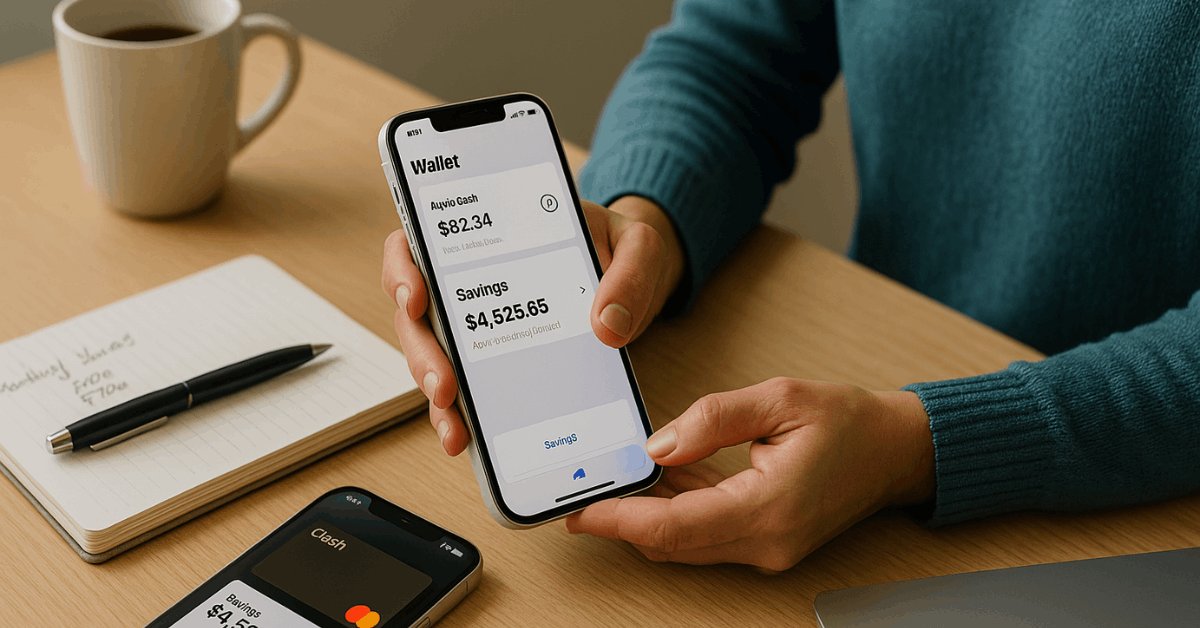
Funds can sit in your Apple Cash balance for Apple Pay spending, peer-to-peer transfers, or bank transfers, or be directed automatically to the Apple Card Savings Account.
Those who skip Apple Cash can route Daily Cash directly to the card balance. Availability for Apple Cash remains U.S.-only, operated by Green Dot Bank, while Apple Pay is widely available globally with local bank support.
Rates and Where the 3 Percent Applies
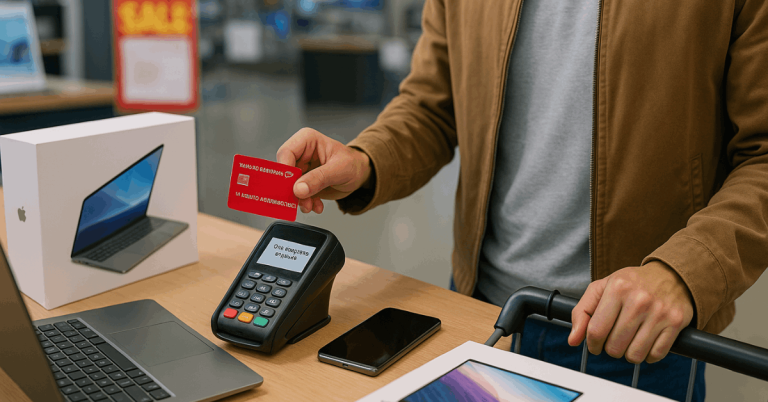
Earning is simple: 3 percent at Apple and select partners, 2 percent for Apple Pay transactions at other merchants, and 1 percent for purchases that don’t use Apple Pay, such as physical card taps or manual number entry.
Current 3 percent Apple Pay partners include Apple, Nike, Uber, Uber Eats, Walgreens, Ace Hardware, Duane Reade, Booking.com, ChargePoint, Exxon and Mobil, and Hertz.
Apple updates this list periodically and removed some names in 2025 while adding Hertz with extra rental benefits.
Hertz Extras Tied to Apple Pay
Short-term renters get more than the 3 percent Daily Cash when booking with Apple Pay at qualifying U.S. Hertz corporate locations.
Per Apple’s benefit page, eligible bookings through Hertz.com or the Hertz app include roadside assistance, a discounted loss damage waiver, a free additional driver, and advertised savings on Pay Later base rates, alongside the 3 percent Daily Cash.
Terms are specific, so verify the booking flow and location eligibility inside Hertz channels.
Fast Application and Setup in the Wallet
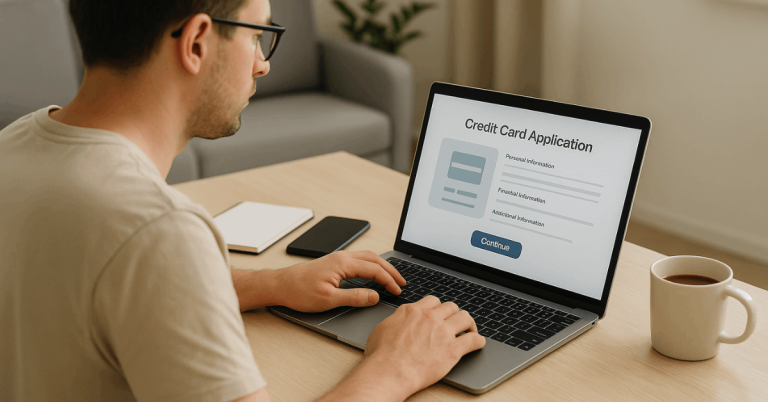
The application happens in the Wallet app on iPhone, and a soft credit check is used to show your limit and APR offer. Acceptance of the offer triggers a standard hard inquiry, which may affect your score.
After approval, the card can be used anywhere Mastercard is accepted, and management continues in Wallet or on the web for statements, payments, and settings.
A physical titanium card can be ordered, although Apple Pay usage earns the higher 2 percent rate at most merchants.
Limited-Time Sign-Up bonus
A rare public offer is live through November 17, 2025: $75 in Bonus Daily Cash after spending $75 in the first 30 days. Offer visibility is centralized on Apple’s official “learn” page, which notes it may not be available elsewhere.
Using Daily Cash Smartly
Daily Cash can flow into three places without extra steps. Those who are comfortable keeping funds liquid can let balances accumulate in Apple Cash for everyday Apple Pay spending or transfers.
Anyone optimizing debt payoff can apply Daily Cash automatically to the Apple Card balance to reduce interestable principal.
Savers can auto-deposit Daily Cash into the Apple Card Savings Account, currently yielding 3.65 percent APY as of November 14, 2025, with the rate subject to change by Goldman Sachs.
Apple Card Savings Account Basics
Savings resides inside Wallet, is available only to Apple Card holders, and is provided by Goldman Sachs Bank USA, Member FDIC.
The APY moved several times since launch and sits at 3.65 percent according to Apple’s savings page and recent reporting.
Transfers can originate from Daily Cash, Apple Cash, or a linked external bank, while geographic limits exclude certain U.S. territories. Those comparing rates should note that Goldman’s Marcus-branded savings also lists 3.65 percent APY on the same date.
Apple Card Monthly Installments
Zero-interest financing applies to eligible Apple hardware at checkout when choosing Apple Card Monthly Installments.
Trade-in values reduce financed amounts instantly, Daily Cash posts on the full eligible purchase, and installment charges appear on the last day of each month. Installment plans count against your credit limit rather than requiring separate loan approval.
Typical installment terms at Apple:
| Category group | Common term | Notes |
| iPhone, Apple Watch, Apple Vision Pro | 24 months | Interest-free via ACMI on eligible purchases |
| Mac, iPad | 12 months | Interest-free via ACMI on eligible purchases |
| AirPods, Apple TV 4K, accessories | 6 months | Interest-free via ACMI on eligible purchases |
Fees, Security, and Privacy
Apple markets a fee-free structure: no annual fee, no late fees, no foreign transaction fees, and no over-limit fees. Interest still accrues on unpaid balances, so autopay toward the monthly balance remains the safest default.
For online purchases, Advanced Fraud Protection rotates the card security code periodically after it’s viewed in Wallet or auto-filled in Safari, reducing the usefulness of compromised credentials.
Billing Cadence and Due Dates
Statements close on the last day of each calendar month, and payments are due at the end of the following month, effectively granting most of the next month to pay.
Apple’s customer agreement adds that the due date will be at least 28 days after each cycle closes. Monthly Installments also bill on the last day of the month.
Eligibility, Availability, and Network Notes
Eligibility requires being a U.S. citizen or lawful resident with a valid U.S. address and an eligible iPhone or iPad using the latest software, along with identity verification and standard credit approval.
Apple Card is only available in the United States, and Apple Cash person-to-person features are also U.S.-only.
Today’s card runs on the Mastercard network; multiple 2025 reports suggest Apple has explored alternatives, although Apple has not announced a change.
When Apple Card Makes Sense
Value stacks up for iPhone owners who pay in full, prefer Apple Pay at most merchants, buy Apple hardware regularly, and appreciate zero-interest financing.
Simple cash back and a savings funnel keep outcomes predictable, and fee elimination removes avoidable costs.
Frequent travelers or maximizers focused on transferable points may prefer multi-issuer cards that earn higher category multipliers, a viewpoint echoed by rewards experts quoted in recent coverage.
How to Apply and Start Using Daily Cash Quickly
On iPhone, open Wallet, tap the plus icon, and select Apple Card to start the Apple Card application. Identity checks typically require legal name, address, last four of SSN, and date of birth; lifting any credit freeze before applying avoids delays.
After reviewing the soft-pull offer, accept it to activate the card instantly in Wallet and consider ordering the titanium card later.
Setting the Daily Cash destination, enabling Advanced Fraud Protection, and turning on autopay for the monthly balance completes a safe baseline setup in under ten minutes.
Conclusion
In a crowded rewards market, Apple Card stays practical: instant Daily Cash, transparent billing, and zero junk fees. For iPhone owners who pay in full and prefer Apple Pay, 3 percent at partners plus 2 percent on other Apple Pay purchases covers routine spend efficiently.
Keep expectations realistic around U.S.-only availability, foreign acceptance quirks, and Apple Pay versus physical card earn rates.
If a simple setup suits your habits, route Daily Cash to the card balance or Savings and enable autopay immediately. Check partner lists, the 3.65 percent APY, and the limited-time bonus again before applying, since Apple updates terms throughout the year.